Perkembangan Ai Dalam Dunia Teknologi
Artificial Intelligence (AI) atau kecerdasan buatan merupakan teknologi yang semakin berkembang pesat di era digital saat ini. AI memiliki kemampuan untuk belajar dan memecahkan masalah seperti halnya manusia, bahkan dapat melakukannya dengan lebih efektif dan efisien. AI telah digunakan dalam berbagai sektor, mulai dari teknologi informasi, kesehatan, transportasi, manufaktur, dan masih banyak lagi.
Berikut adalah beberapa perkembangan AI di dunia teknologi:
- Pengembangan AI dalam Bidang Kesehatan AI dapat membantu para ahli medis dalam mendiagnosis penyakit dan memberikan perawatan yang lebih efektif dan efisien. Penggunaan AI dalam bidang kesehatan telah berkembang pesat, misalnya dalam pengembangan sistem pendukung keputusan medis dan analisis data medis.
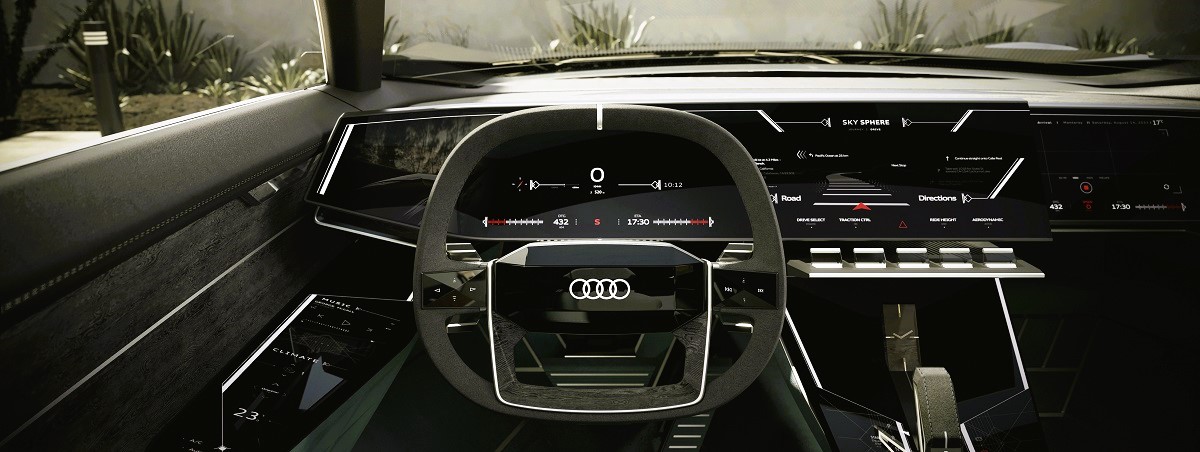
- Pengembangan AI dalam Otomotif AI juga telah digunakan dalam pengembangan mobil otonom atau self-driving car. Mobil otonom ini dapat membantu mengurangi risiko kecelakaan dan menghemat waktu dalam berkendara. Perkembangan ini telah diikuti oleh berbagai produsen mobil seperti Tesla, Google, dan Uber.
- Pengembangan AI dalam Pendidikan Penggunaan AI dalam pendidikan juga mulai dikembangkan, misalnya dalam pembelajaran online dan personalisasi pembelajaran. Dengan AI, pembelajaran online dapat disesuaikan dengan kebutuhan dan kemampuan siswa, sehingga dapat meningkatkan efektivitas pembelajaran.
- Pengembangan AI dalam Bisnis AI dapat membantu perusahaan dalam meningkatkan efisiensi dan produktivitas. Beberapa contoh penggunaan AI dalam bisnis antara lain dalam analisis data dan prediksi pasar. Penggunaan AI juga dapat membantu perusahaan dalam mengoptimalkan pengalaman pelanggan.
- Pengembangan AI dalam Pemerintahan AI juga dapat membantu pemerintah dalam mengoptimalkan pengambilan keputusan dan meningkatkan efisiensi dalam berbagai layanan publik. Pemerintah dapat menggunakan AI dalam bidang keamanan, pertahanan, kesehatan, dan transportasi.
Namun, seiring dengan perkembangan AI, juga terdapat beberapa tantangan yang harus dihadapi, seperti masalah privasi dan keamanan data, kepercayaan masyarakat terhadap AI, dan pengaruh AI terhadap lapangan kerja. Oleh karena itu, pengembangan AI harus dilakukan dengan hati-hati dan harus mempertimbangkan dampak sosial dan etika yang terkait.
Dalam kesimpulan, AI merupakan teknologi yang semakin berkembang pesat dan telah digunakan dalam berbagai sektor. Penggunaan AI dapat membantu meningkatkan efektivitas dan efisiensi dalam berbagai bidang, namun juga memerlukan perhatian terhadap masalah privasi, keamanan data, dan dampak sosial dan etika. Sebagai sebuah teknologi yang masih berkembang, AI memberikan banyak potensi dan tantangan bagi dunia teknologi.
Keuntungan Hadirnya AI Dalam Dunia Teknologi
Artificial Intelligence (AI) atau kecerdasan buatan merupakan teknologi yang semakin berkembang pesat di era digital saat ini. AI telah digunakan dalam berbagai sektor, seperti kesehatan, otomotif, pendidikan, bisnis, dan pemerintahan. Selain itu, AI juga memberikan banyak manfaat dan keuntungan bagi dunia teknologi.
Berikut adalah beberapa keuntungan AI dalam dunia teknologi:
- Meningkatkan Efisiensi AI dapat membantu meningkatkan efisiensi dalam berbagai sektor, seperti dalam produksi dan manufaktur. Dengan menggunakan AI, proses produksi dapat ditingkatkan sehingga dapat meningkatkan produktivitas dan mengurangi biaya produksi.
- Meningkatkan Kualitas Produk Dengan penggunaan AI, kualitas produk dapat ditingkatkan. Contohnya, AI dapat digunakan dalam proses pengujian kualitas produk secara otomatis dan akurat, sehingga dapat mengurangi kesalahan dan meningkatkan efisiensi.
- Meningkatkan Keamanan AI dapat membantu meningkatkan keamanan dalam berbagai sektor, seperti dalam keamanan siber dan keamanan transportasi. Dalam keamanan siber, AI dapat membantu mendeteksi serangan siber dan melindungi data penting. Sedangkan dalam keamanan transportasi, AI dapat membantu meningkatkan keamanan jalan raya dan mencegah kecelakaan.
- Meningkatkan Pengalaman Pelanggan AI dapat membantu perusahaan dalam meningkatkan pengalaman pelanggan. Contohnya, AI dapat digunakan dalam chatbot untuk membantu pelanggan dalam menyelesaikan masalah dan menjawab pertanyaan. Selain itu, AI juga dapat digunakan dalam personalisasi pengalaman pelanggan, sehingga dapat meningkatkan loyalitas pelanggan.
- Meningkatkan Prediksi dan Analisis AI dapat membantu meningkatkan prediksi dan analisis dalam berbagai sektor, seperti dalam analisis data dan prediksi pasar. Dengan menggunakan AI, perusahaan dapat memperoleh informasi yang akurat dan cepat untuk membantu pengambilan keputusan.
- Meningkatkan Efektivitas Pembelajaran Penggunaan AI dalam pendidikan dapat membantu meningkatkan efektivitas pembelajaran. AI dapat digunakan dalam personalisasi pembelajaran, sehingga dapat disesuaikan dengan kebutuhan dan kemampuan siswa.
Dalam kesimpulan, AI memberikan banyak manfaat dan keuntungan bagi dunia teknologi. Penggunaan AI dapat membantu meningkatkan efisiensi, kualitas produk, keamanan, pengalaman pelanggan, prediksi dan analisis, serta efektivitas pembelajaran. Oleh karena itu, pengembangan dan pemanfaatan AI harus dilakukan secara bijaksana dan bertanggung jawab untuk memaksimalkan manfaatnya bagi masyarakat dan dunia teknologi.